A narrow promise, kept
An app that does one job well earns more trust than one that lists twenty features and does none of them convincingly. If a job is outside an app's promise, the honest answer is that it does not do that.
Munodha › About
Munodha is an independent software practice building focused applications for the hardest part of selling anything: finding someone to sell to. The work behind it is fifteen years of application development: shipping production systems, maintaining them once real users depend on them, and learning where software genuinely helps an operator and where it just adds another dashboard to check.
Mission
Most business software reports what already happened. The harder questions come the morning after: which prospects are worth contacting, how much of that revenue the store actually keeps once COD, RTO, shipping, gateway fees and cost of goods come out, and which single action to take next.
Munodha exists to answer those. The free lead finder answers the first one for any business, with nothing to install. For merchants on Shopify, three narrow apps answer them against the store's own data. Narrow, in both cases, rather than one suite that claims everything.
What we believe
An app that does one job well earns more trust than one that lists twenty features and does none of them convincingly. If a job is outside an app's promise, the honest answer is that it does not do that.
Every figure traces back to the store's own orders, products and costs. Where an estimate stands in for a real cost, the app says so plainly rather than presenting a guess as a measurement.
No invented install counts, no borrowed testimonials, no outcome promises. Merchants can check everything, and the ones worth having as customers do.
Shipping is the beginning of the work. Software people run their week on needs to still work after the platforms underneath it change.
How we work
Munodha is a small practice, which decides most of how it operates. Support is answered by the people who wrote the software, so a bug report reaches someone who can fix it rather than someone who logs it. There is no sales layer between you and an honest answer about whether something we built suits you.
Being small also means being deliberate about scope. Every feature has a maintenance cost that lasts as long as the app does, so the default answer to a request is a careful one, and shipped work is expected to keep working.
The team
The practice is led by a developer with fifteen years of application development experience across production systems, working with a small group of collaborators on design, content and quality. Deliberately small, deliberately hands-on.
If you want to reach the people who actually build these apps, contact Munodha directly.
On Shopify
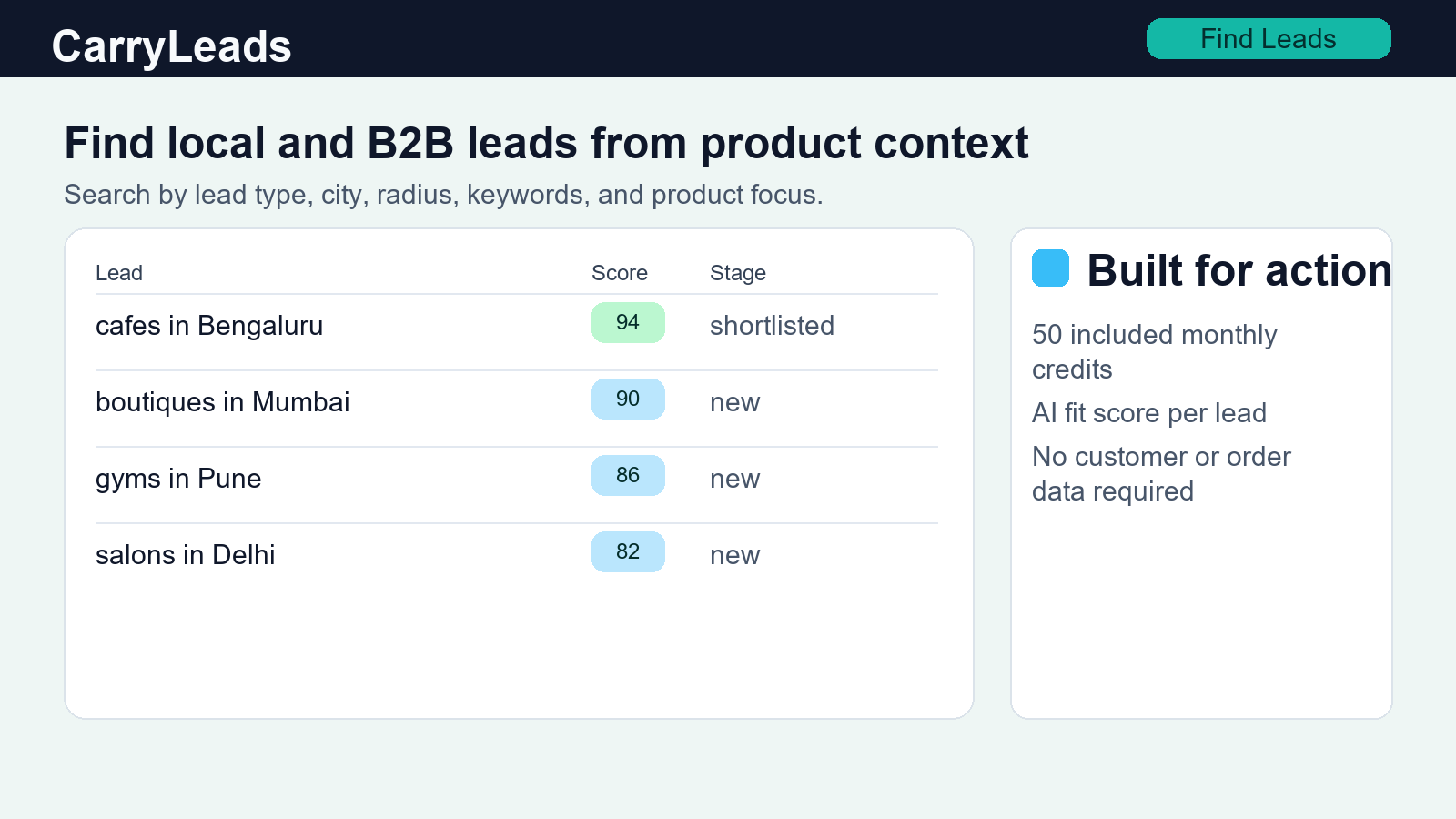
Prospect discovery and outreach
Turn store and product context into a qualified prospect list and a practical first message.
Explore CarryLeads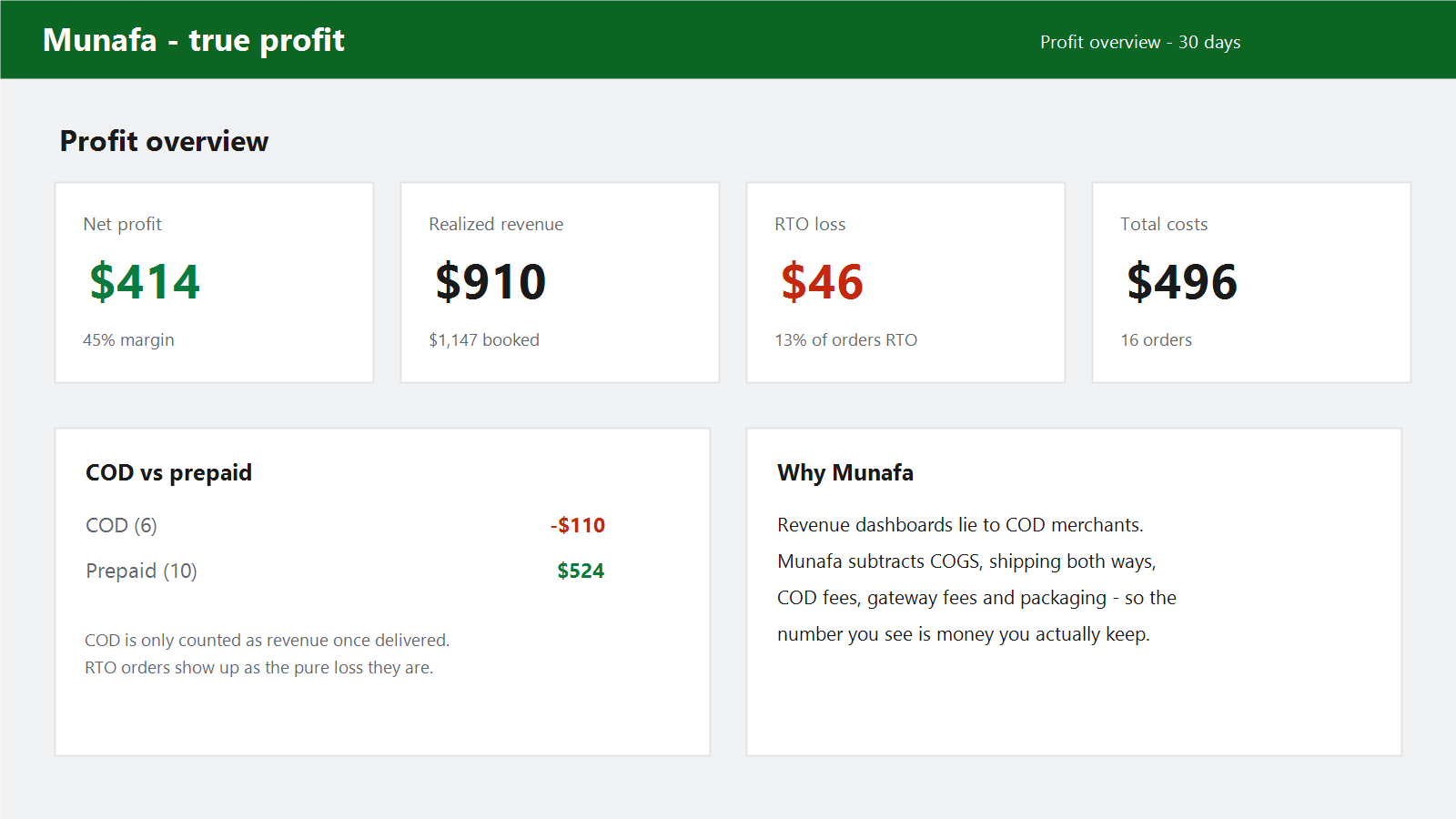

True profit for COD commerce
Revenue is the headline. Munafa shows what remains after the real costs of fulfilling an order.
Explore Munafa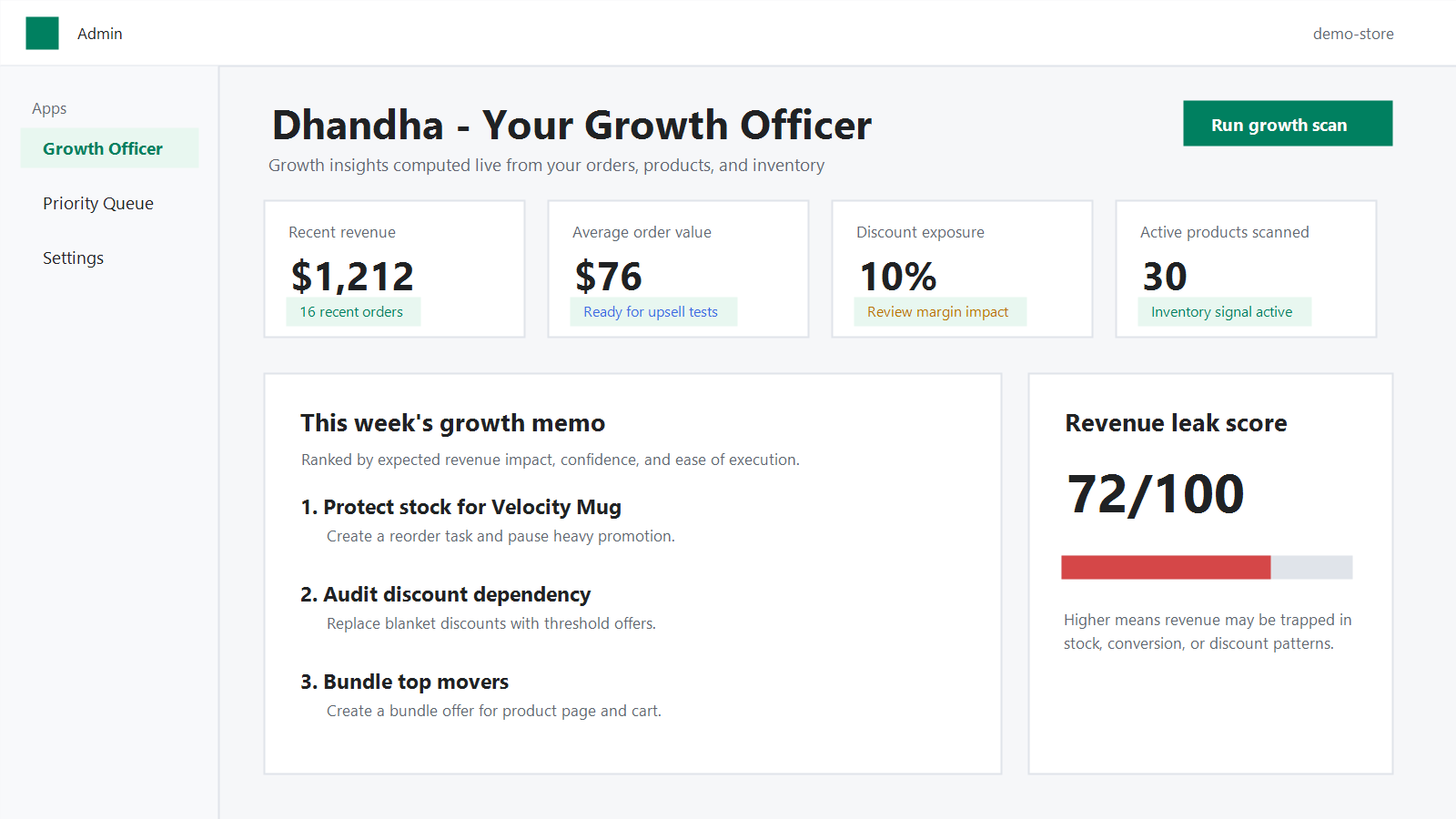

Weekly growth prioritization
A ranked operating queue for merchants who have plenty of data and too many possible next moves.
Explore Dhandha